

The Run Rx Blog
REFINING YOUR APPROACH TO RUNNING
Subscribe and stay up to date with the latest running tips and news.
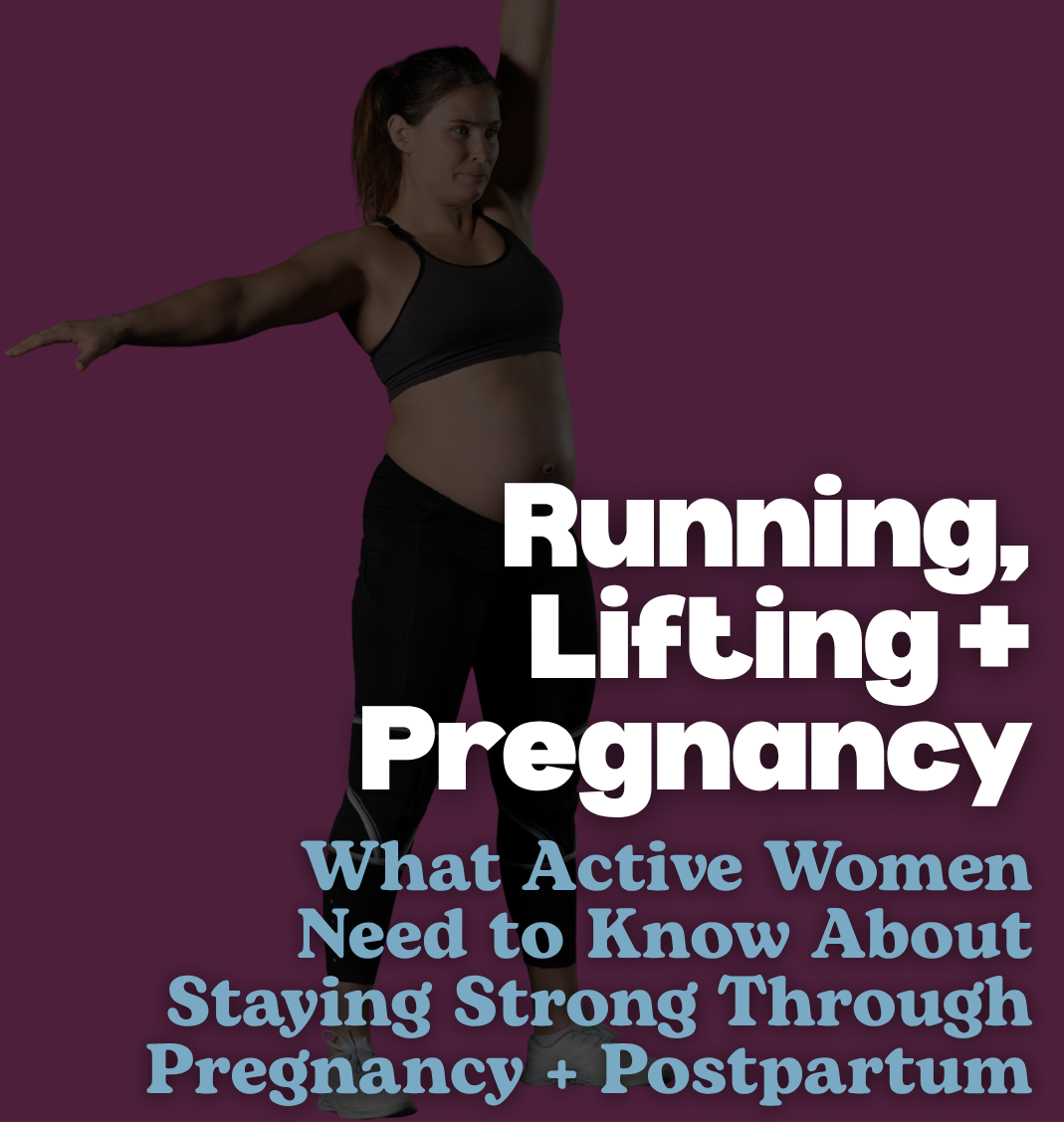
Running, Lifting + Pregnancy: What Active Women Need to Know
Pregnancy and postpartum fitness are full of outdated advice and confusion. We’re answering common questions active women have about running, lifting, core work, leaking, pressure, and returning to exercise with confidence.

Running Injury Spotlight: Hip Impingement and Labral Tears
When can you safely return to running postpartum — 6 weeks, 12 weeks, or sooner? The truth: it’s not only about time, but about functional readiness. Learn what research says, what criteria matter, and how to build back safely with guidance from Boston-based physical therapists.

Returning to Running Postpartum: Time-Based or Criteria-Based?
When can you safely return to running postpartum — 6 weeks, 12 weeks, or sooner? The truth: it’s not only about time, but about functional readiness. Learn what research says, what criteria matter, and how to build back safely with guidance from Boston-based physical therapists.
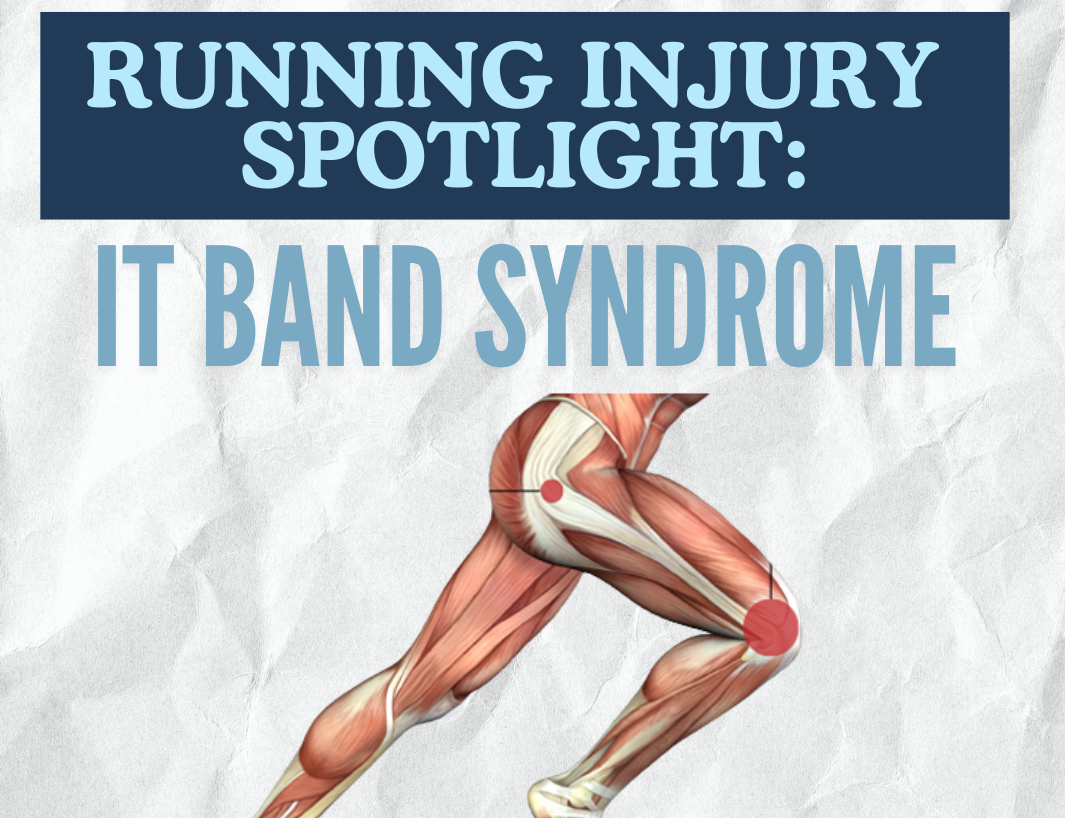
Running Injury Spotlight: IT Band Syndrome
IT Band Syndrome is one of the most common running injuries, but it’s often misunderstood and mistreated. Learn what the IT band really is, why it causes pain, the typical symptoms runners experience, and what actually works for treatment. Our Boston-based physical therapy team breaks it down so you can get back to pain-free miles.

How Much Running Is Too Much? What a New Study Means For Running Injury Risk
Sudden long-run spikes — not weekly mileage totals — may be the real driver of running injuries. A new 2025 study tracked more than 5,200 runners and found that increasing a single run by more than 10% compared to your longest run in the past month significantly raises your risk of overuse injury. For Boston runners training for marathons or rebuilding postpartum, the message is clear: train smarter, progress gradually, and keep your long runs consistent.
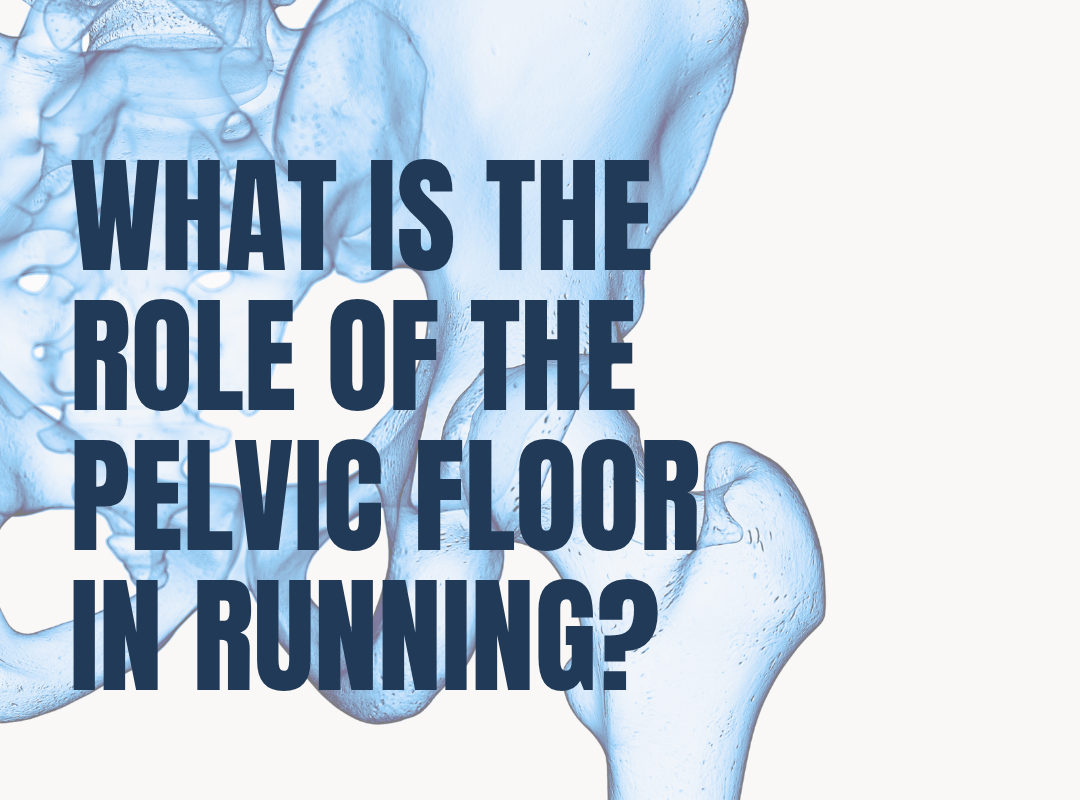
The Pelvic Floor and Running: What Every Runner Should Know
Leaking while running? Feeling pelvic pressure or discomfort? Your pelvic floor could be the missing piece. Learn how it impacts your stride, when symptoms signal a problem, and what to do about it. Written by runner-specialists at The Run Rx in Somerville, MA.

My Postpartum Return to Run Blog
I’m a Physical Therapist and strength coach who specializes in treating and training runner’s, detailed gait analysis and pre and postnatal exercise. I’m sharing my postpartum return to run story.
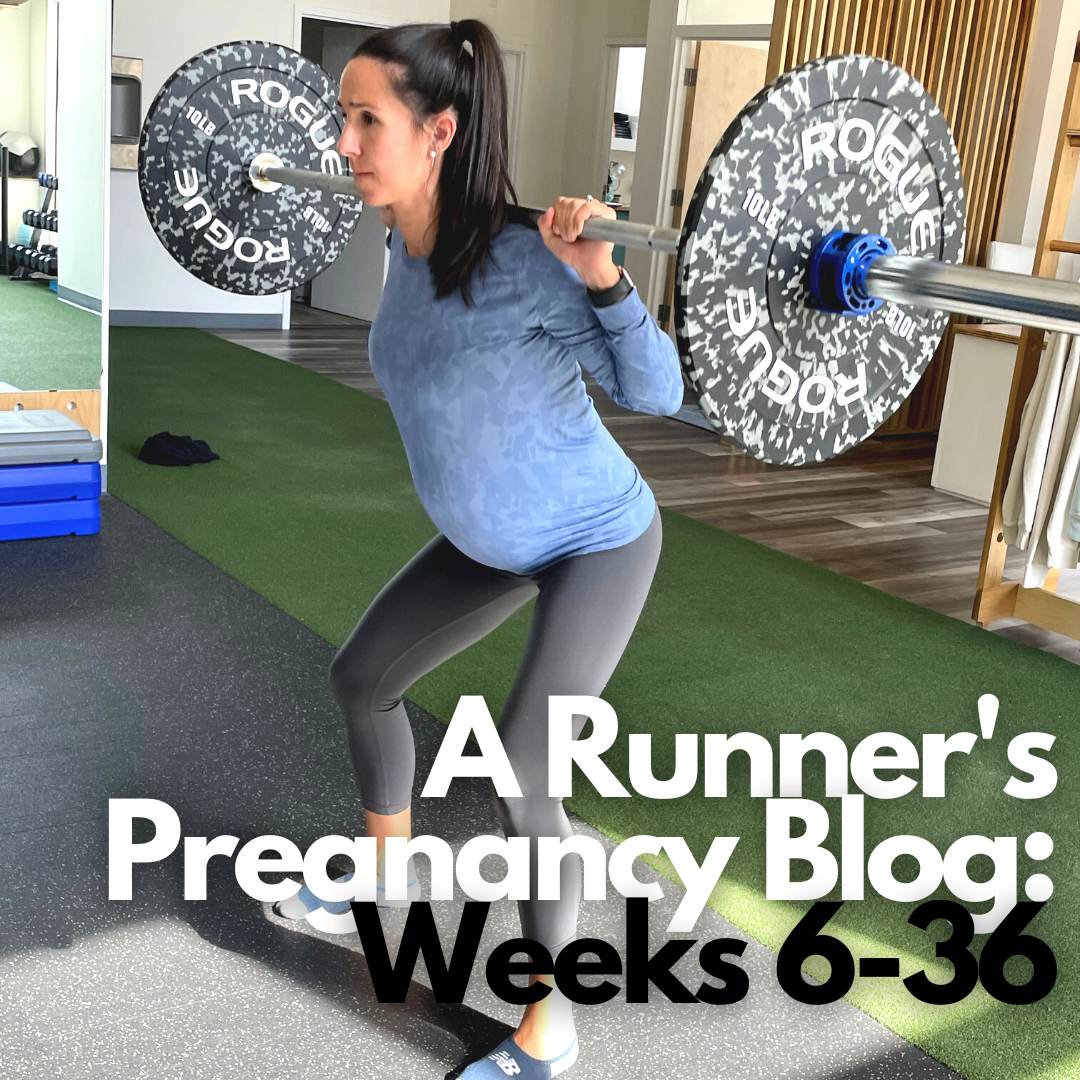
A Runner’s Pregnancy Blog
Sharing my own story as a physical therapist and running specialist with running and training during pregnancy.

Muscle Imbalance in Pregnancy and Postpartum Return to Run
All the ways your body adapts with pregnancy and exercise plus preparing for your postpartum return to run.

Breathing and Posture in Pregnant and Postpartum Runners
How the simplest things like breathing and posture play a role in your pregnant and postpartum running plus tips.

Staying Healthy as a Female Runner
Women are far more likely to get injured and drop out of running than men. The mechanical, nutritional, biological and life reason why and how to incorporate strength nutrition and good movement for all female runners including pregnant and postpartum runners.