

The Run Rx Blog
REFINING YOUR APPROACH TO RUNNING
Subscribe and stay up to date with the latest running tips and news.
Not all bone stress injuries carry the same risk. Learn how injury location, blood supply, and compression vs. tension forces affect healing timelines and return to running.
FEATURED ARTICLES
Not all bone stress injuries carry the same risk. Learn how injury location, blood supply, and compression vs. tension forces affect healing timelines and return to running.

Running is a high-impact sport, but it's a poor bone builder. A Boston running PT explains what bone actually responds to and how to load it to prevent stress injuries.
Bone stress injuries can be frustrating, confusing, and easy to miss early on. In this guide, we break down the common signs, causes, and recovery considerations for runners—so you know when to stop, when to seek care, and what steps matter most for a safe return to running.
LATEST ARTICLES
Not all bone stress injuries carry the same risk. Learn how injury location, blood supply, and compression vs. tension forces affect healing timelines and return to running.
Running is a high-impact sport, but it's a poor bone builder. A Boston running PT explains what bone actually responds to and how to load it to prevent stress injuries.
Cadence, stride length, and foot strike aren't three separate fixes — they're one mechanical system. A Boston running PT breaks down what actually changes injury risk.
Marathon training doesn't have to mean constant aches, injuries, or burnout. Learn 7 evidence-based strategies to better manage training load, recovery, and life stress so you can stay healthy and train consistently all season long.
INJURY PREVENTION
Not all bone stress injuries carry the same risk. Learn how injury location, blood supply, and compression vs. tension forces affect healing timelines and return to running.
Running is a high-impact sport, but it's a poor bone builder. A Boston running PT explains what bone actually responds to and how to load it to prevent stress injuries.
Cadence, stride length, and foot strike aren't three separate fixes — they're one mechanical system. A Boston running PT breaks down what actually changes injury risk.
Marathon training doesn't have to mean constant aches, injuries, or burnout. Learn 7 evidence-based strategies to better manage training load, recovery, and life stress so you can stay healthy and train consistently all season long.
Bone stress injuries can be frustrating, confusing, and easy to miss early on. In this guide, we break down the common signs, causes, and recovery considerations for runners—so you know when to stop, when to seek care, and what steps matter most for a safe return to running.
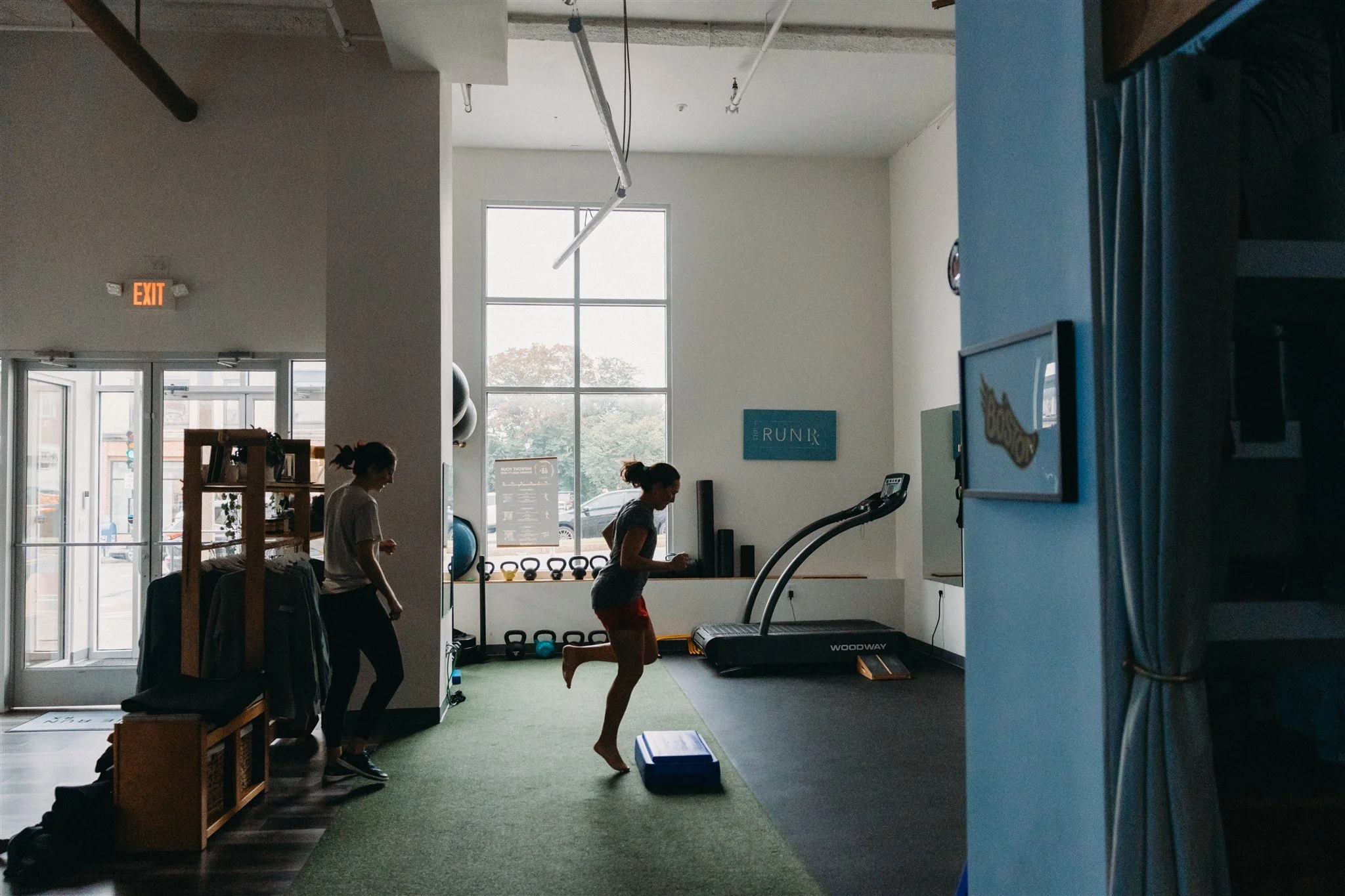
Plyometrics help runners build the strength, power, and impact control needed for faster, more resilient running. Learn how Boston runners can safely add plyometric training to improve performance, reduce injury risk, and run stronger for the long term.
Longevity training isn’t about anti-aging or wellness trends. It’s about building strength, power, aerobic capacity, balance, and recovery so you can stay active, capable, and independent for decades. At Run Rx, we apply performance-driven training principles to measurable longevity — because staying capable isn’t accidental. It’s built.

Slow-motion video only tells part of the story. Learn how advanced running gait analysis in Boston uses sensor technology and expert insight to uncover what the eye can’t see.
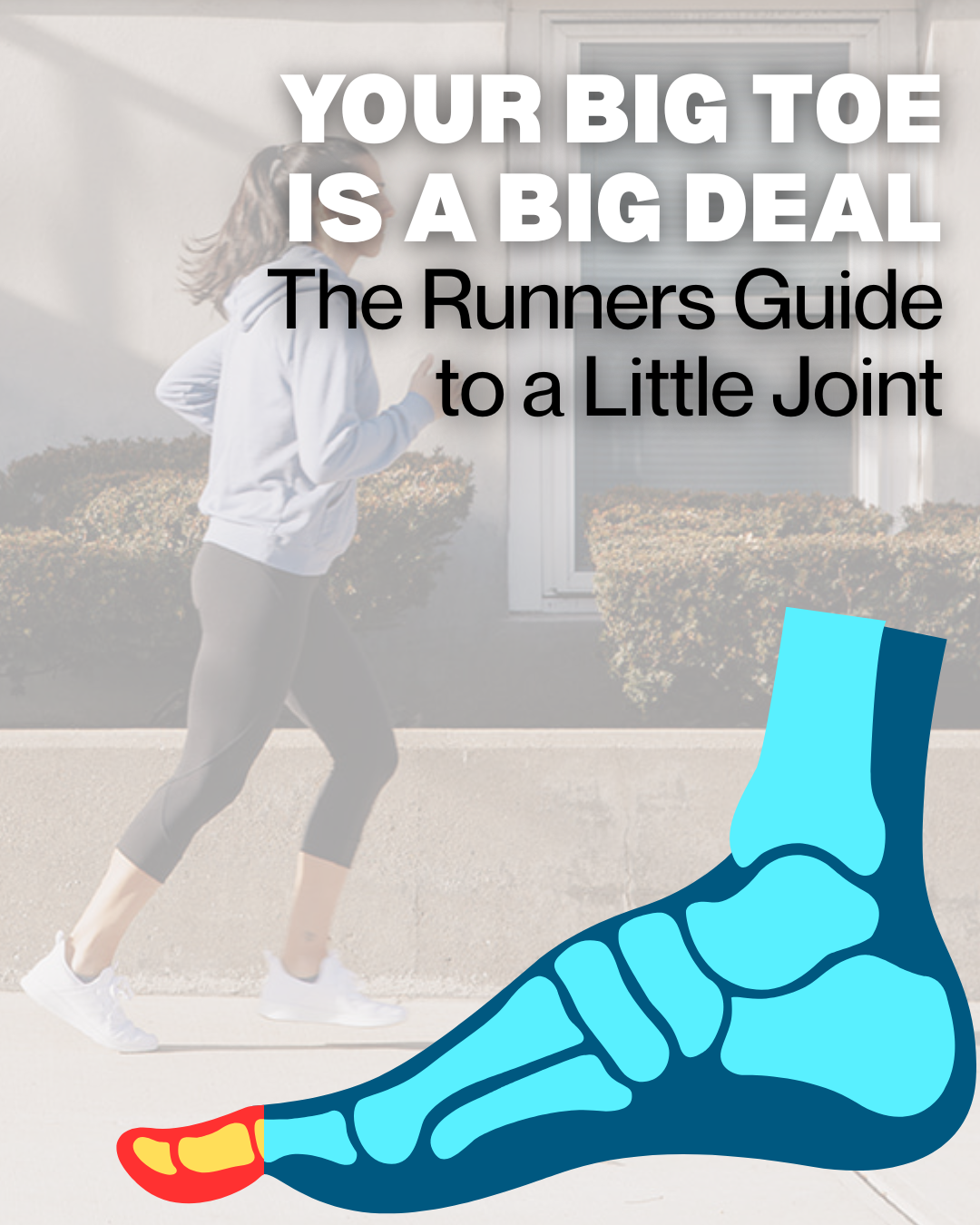
Your big toe plays a major role in running power, arch stability, and injury risk. Learn why big toe strength and mobility matter — and what runners in Boston and Somerville can do about it.

How a gait analysis can help injured runners. 3 real running injury cases that cutting edge technology and running form analysis helped get to the bottom of.

When Erika first started with us, she was a brand new runner doing some home strength workouts with lighter dumbbells or bodyweight. Her goal was to be able to run healthy, stay generally strong and deal with some of the mild lingering issues she was dealing with from having her 2 baby girls.

Leslie was dealing with significant peroneal tenidonpathy and partial tearing on her R ankle for over a year before coming to The Run Rx.
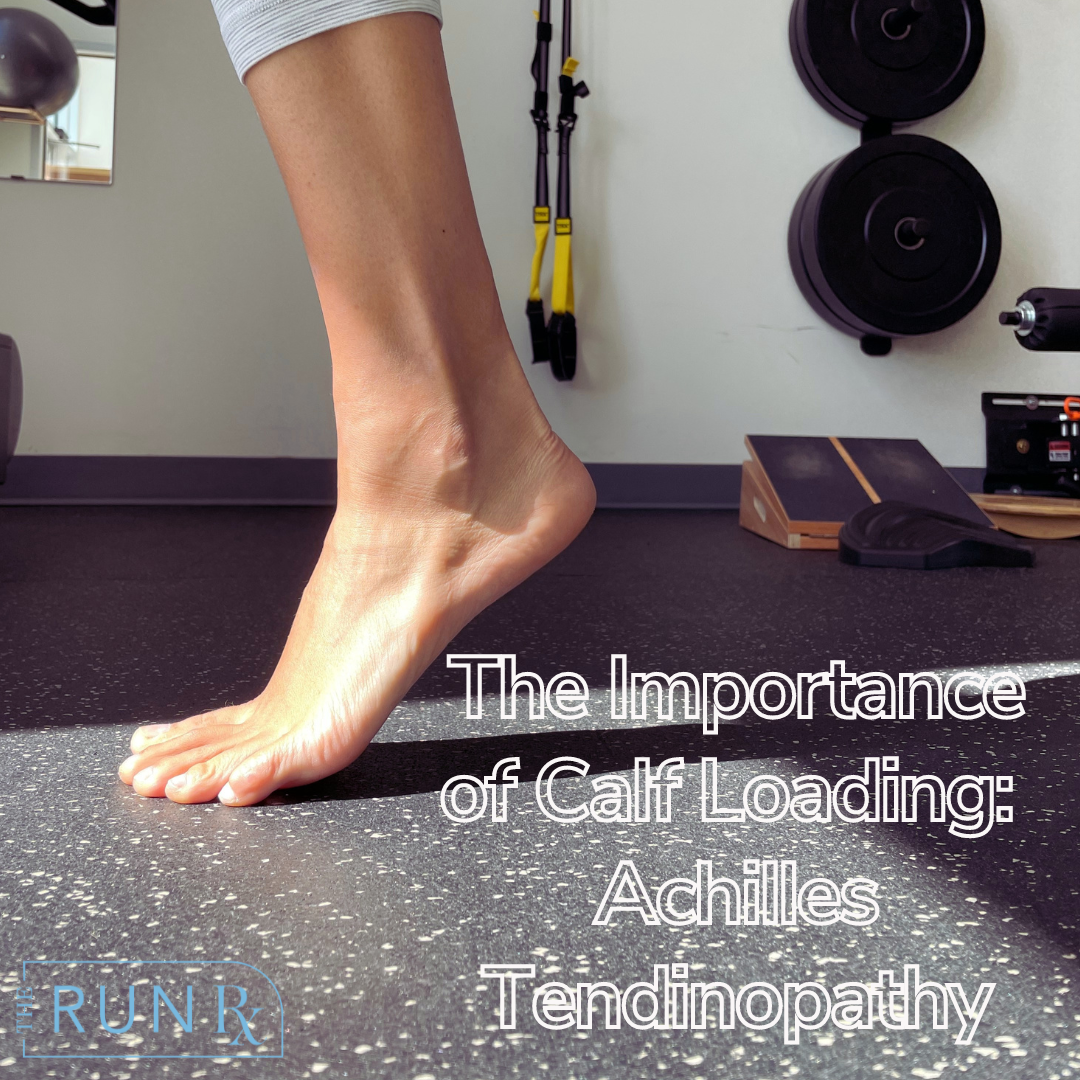
Achilles tendonitis/tendinopathy is one of the most common issues we see with our runners. Our tendons facilitate movement by transferring forces generated by muscles to the skeleton. They deform under load to store and return strain energy, making them critical during locomotion. The Achilles is the largest, strongest, and thickest tendon in the body, and experiences 5-7x your body weight per step during running.

Why power makes for the fastest runners and how to incorporate power and plyometric training into your strength training

Should you run through pain and is ice on the outs? We’re talking through your burning questions on running injury management.

A look at a Run Rx gait analysis and gait retraining and strength for a runner seeking to improve running performance and speed on his next marathon

The major marathon season is behind us and you're probably already thinking about the next one. The post-race aches and pains have worn off and you're already eager to jump back into training. Whether you PR'd and are looking to build on recent success, or didn't quite finish how you wanted and looking to your next shot, this "off-season" provides an important opportunity for growth as a runner.

While the glute max may be the workhorse, the glute med is what allows it to create force by creating a stable foundation. It's the unsung hero of the hips.

How your body needs control or “software” and capacity or “hardware” so support healthy running. The differences and how to apply them

Running-related injuries are complex and often a result of many factors. The biggest causes relate to running form, impacts and durability.
TRAINING & PERFORMANCE
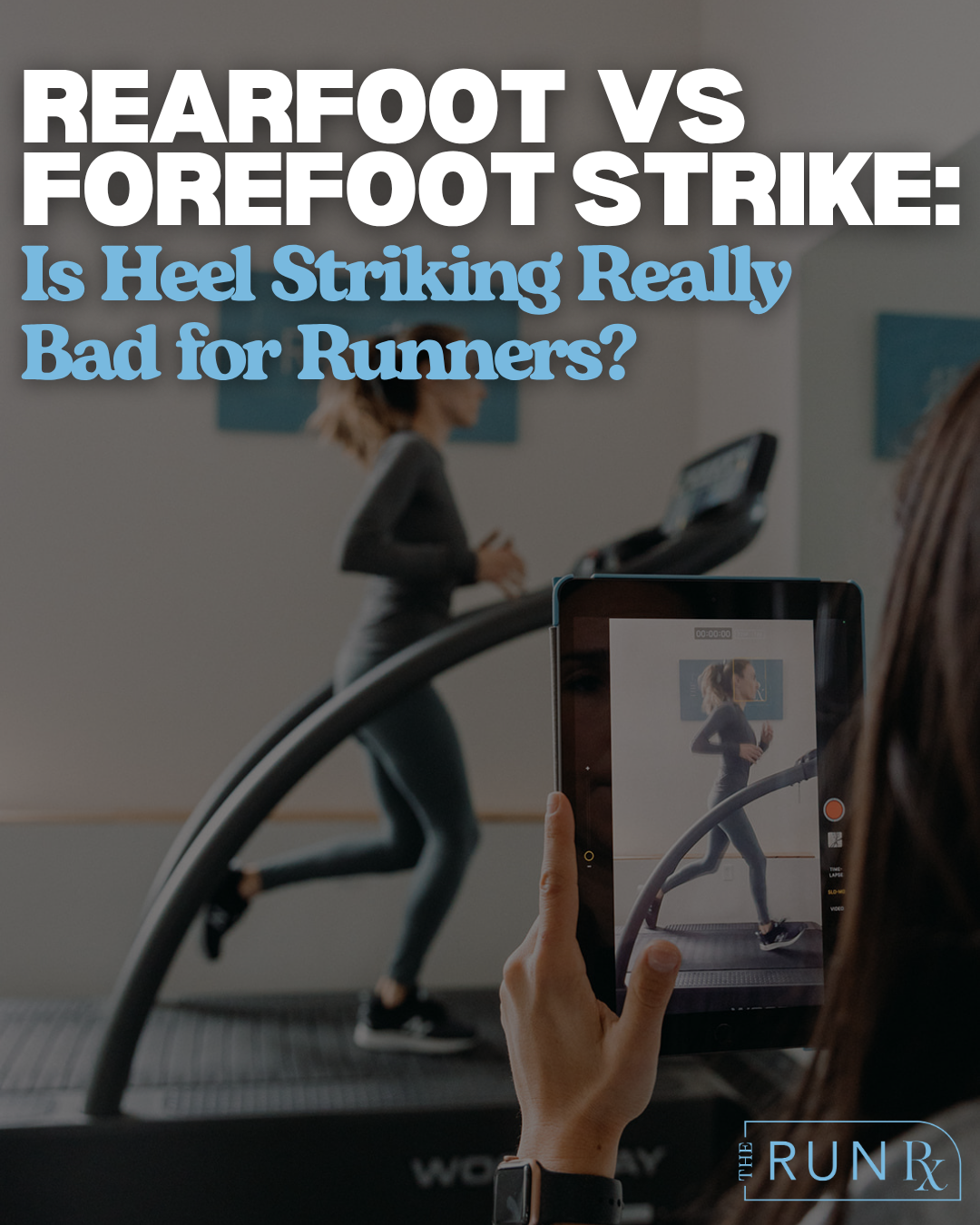
Is heel striking really bad for runners? Despite its reputation, rearfoot striking is the most common footstrike pattern among both recreational and elite runners. This evidence-based guide explores the research on rearfoot vs forefoot strike, running efficiency, injury risk, gait analysis, and why factors like cadence, overstriding, and strength training may matter more than where your foot lands.
How a gait analysis can help injured runners. 3 real running injury cases that cutting edge technology and running form analysis helped get to the bottom of.

How to safely add speed work into your training plan for healthy running and performance
Why power makes for the fastest runners and how to incorporate power and plyometric training into your strength training
A look at a Run Rx gait analysis and gait retraining and strength for a runner seeking to improve running performance and speed on his next marathon
The major marathon season is behind us and you're probably already thinking about the next one. The post-race aches and pains have worn off and you're already eager to jump back into training. Whether you PR'd and are looking to build on recent success, or didn't quite finish how you wanted and looking to your next shot, this "off-season" provides an important opportunity for growth as a runner.

You’re not too old! Running WON’T cause arthritis, you CAN run on a joint replacement and lots of tips to running healthy for a lifetime

All things fueling and hydrating for runners and marathoners for your best performance and injury prevention.
PRE & POSTNATAL
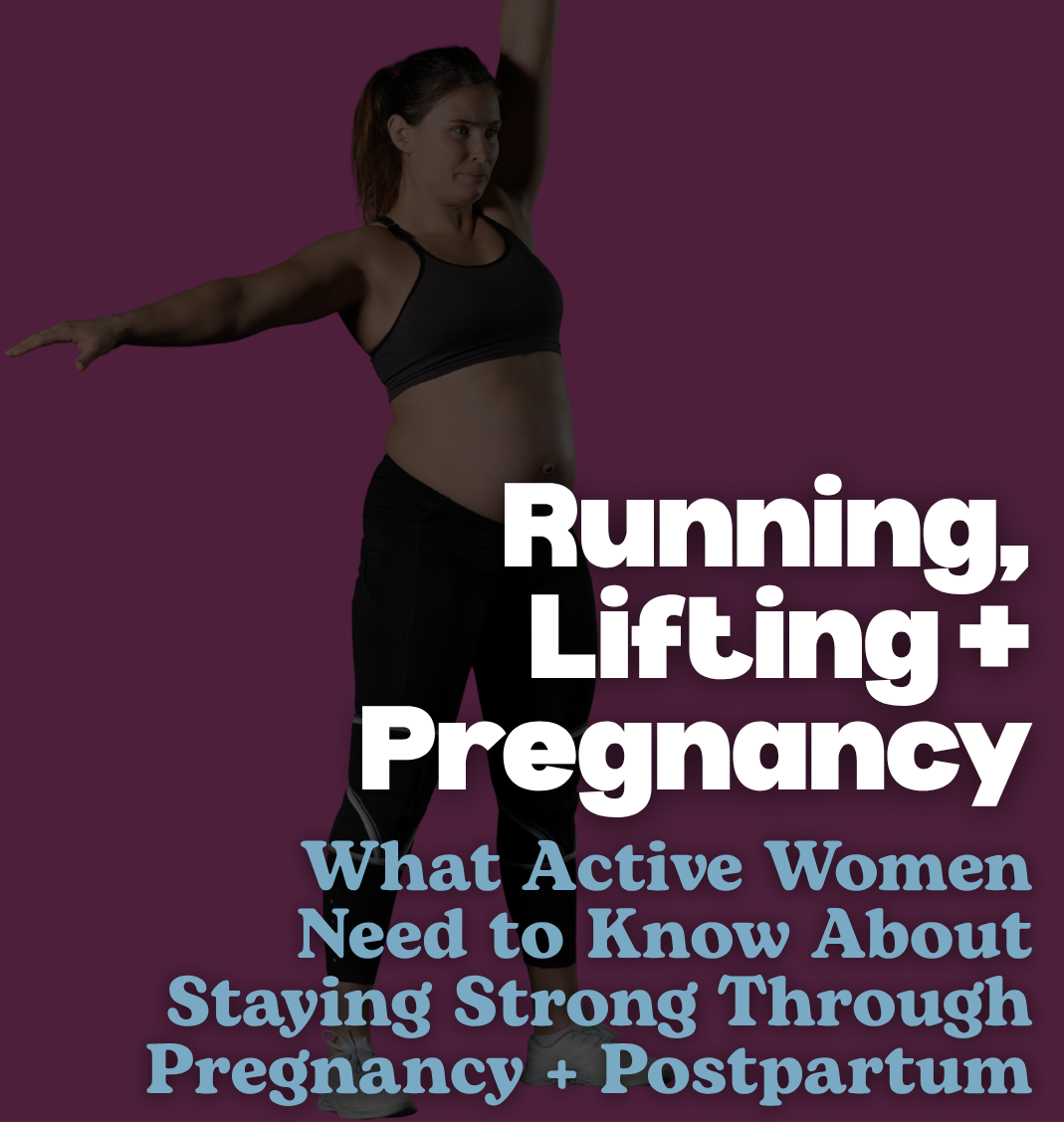
Pregnancy and postpartum fitness are full of outdated advice and confusion. We’re answering common questions active women have about running, lifting, core work, leaking, pressure, and returning to exercise with confidence.

When can you safely return to running postpartum — 6 weeks, 12 weeks, or sooner? The truth: it’s not only about time, but about functional readiness. Learn what research says, what criteria matter, and how to build back safely with guidance from Boston-based physical therapists.

When can you safely return to running postpartum — 6 weeks, 12 weeks, or sooner? The truth: it’s not only about time, but about functional readiness. Learn what research says, what criteria matter, and how to build back safely with guidance from Boston-based physical therapists.
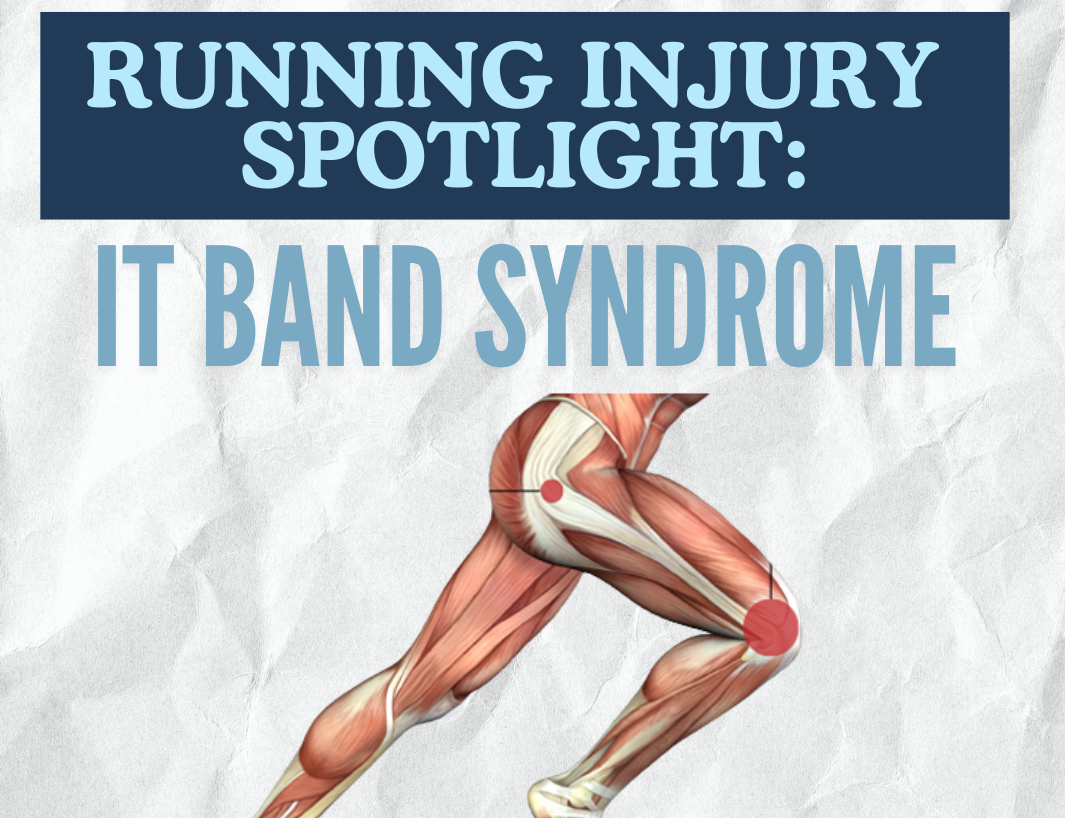
IT Band Syndrome is one of the most common running injuries, but it’s often misunderstood and mistreated. Learn what the IT band really is, why it causes pain, the typical symptoms runners experience, and what actually works for treatment. Our Boston-based physical therapy team breaks it down so you can get back to pain-free miles.

Sudden long-run spikes — not weekly mileage totals — may be the real driver of running injuries. A new 2025 study tracked more than 5,200 runners and found that increasing a single run by more than 10% compared to your longest run in the past month significantly raises your risk of overuse injury. For Boston runners training for marathons or rebuilding postpartum, the message is clear: train smarter, progress gradually, and keep your long runs consistent.
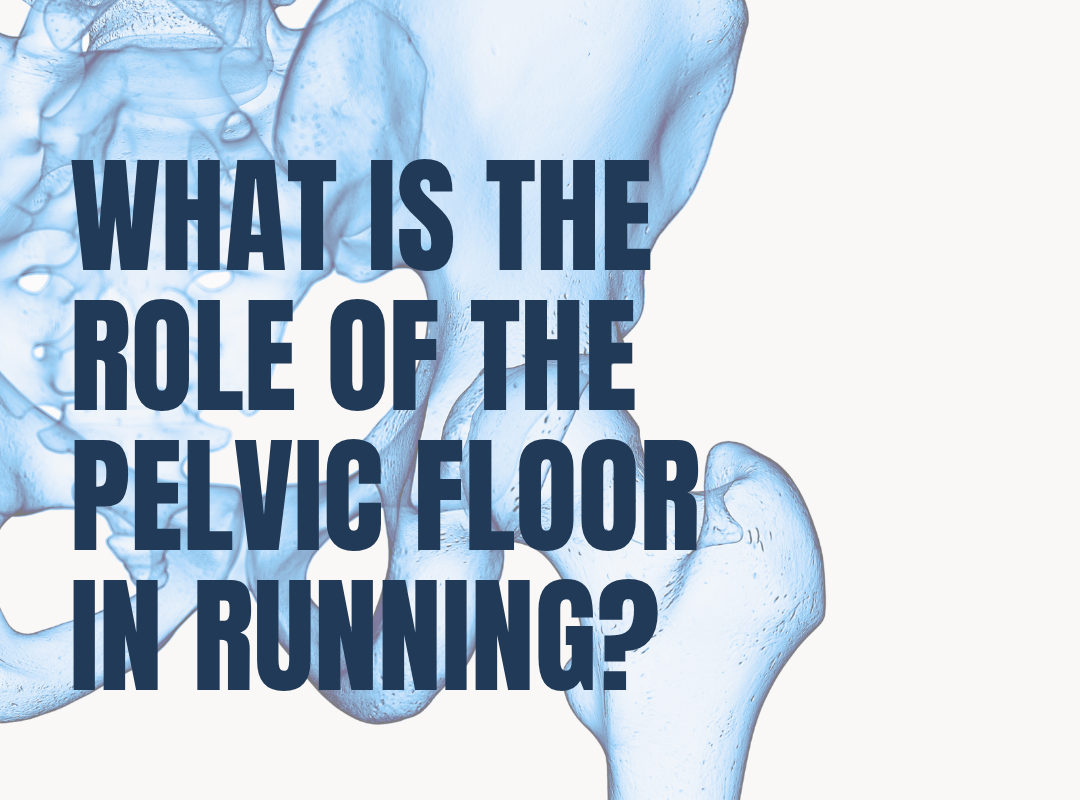
Leaking while running? Feeling pelvic pressure or discomfort? Your pelvic floor could be the missing piece. Learn how it impacts your stride, when symptoms signal a problem, and what to do about it. Written by runner-specialists at The Run Rx in Somerville, MA.

I’m a Physical Therapist and strength coach who specializes in treating and training runner’s, detailed gait analysis and pre and postnatal exercise. I’m sharing my postpartum return to run story.
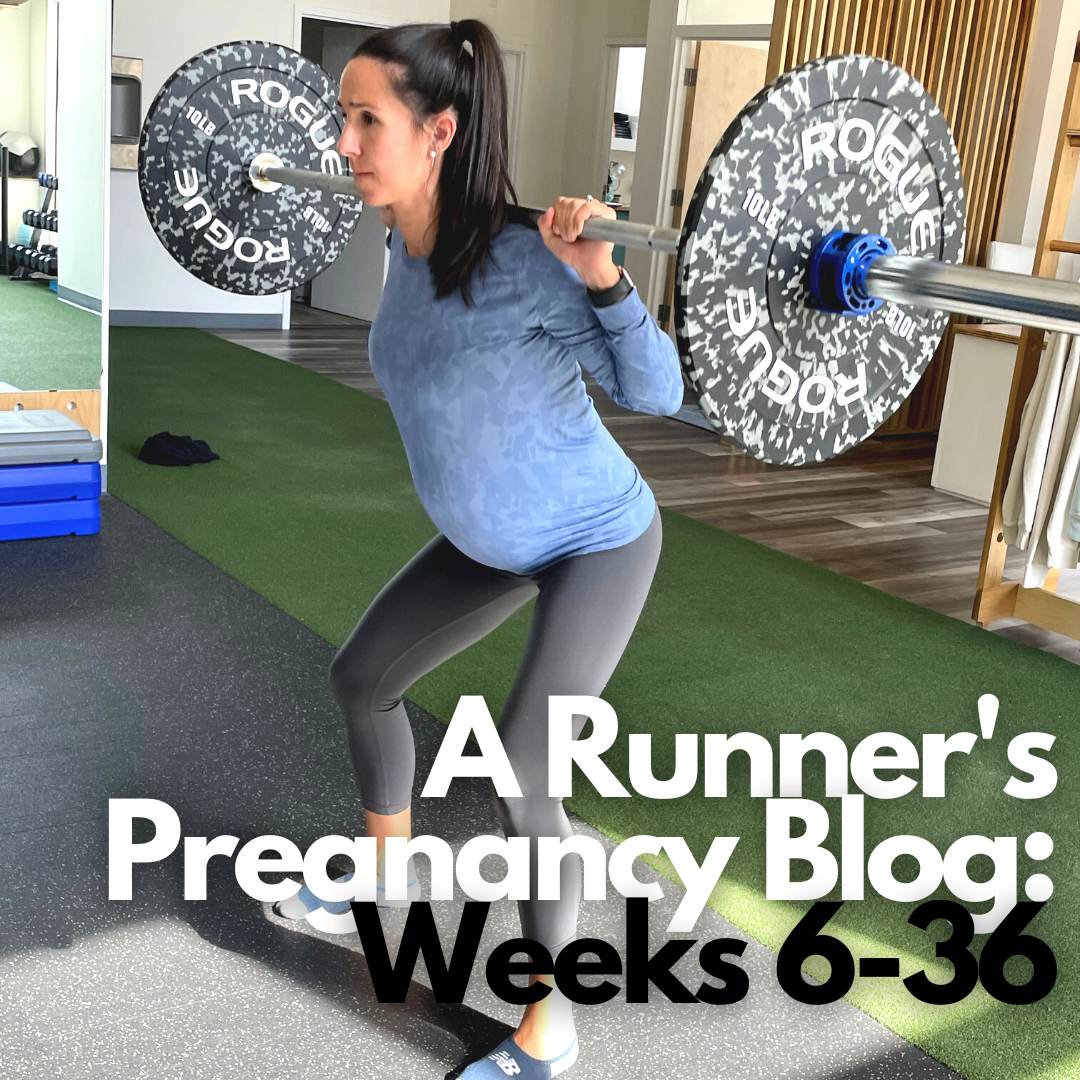
Sharing my own story as a physical therapist and running specialist with running and training during pregnancy.

All the ways your body adapts with pregnancy and exercise plus preparing for your postpartum return to run.

How the simplest things like breathing and posture play a role in your pregnant and postpartum running plus tips.

Women are far more likely to get injured and drop out of running than men. The mechanical, nutritional, biological and life reason why and how to incorporate strength nutrition and good movement for all female runners including pregnant and postpartum runners.
STRENGTH TRAINING
Not all bone stress injuries carry the same risk. Learn how injury location, blood supply, and compression vs. tension forces affect healing timelines and return to running.
Running is a high-impact sport, but it's a poor bone builder. A Boston running PT explains what bone actually responds to and how to load it to prevent stress injuries.
Plyometrics help runners build the strength, power, and impact control needed for faster, more resilient running. Learn how Boston runners can safely add plyometric training to improve performance, reduce injury risk, and run stronger for the long term.
When Erika first started with us, she was a brand new runner doing some home strength workouts with lighter dumbbells or bodyweight. Her goal was to be able to run healthy, stay generally strong and deal with some of the mild lingering issues she was dealing with from having her 2 baby girls.
Why power makes for the fastest runners and how to incorporate power and plyometric training into your strength training
You’re not too old! Running WON’T cause arthritis, you CAN run on a joint replacement and lots of tips to running healthy for a lifetime
While the glute max may be the workhorse, the glute med is what allows it to create force by creating a stable foundation. It's the unsung hero of the hips.
How your body needs control or “software” and capacity or “hardware” so support healthy running. The differences and how to apply them

How strengthening your feet as a runner can reduce your risk of injuries and exercises from a running physical therapist

How strength training prevents running injuries and the most important strength exercises for runners
RUNNING SHOES


How we helped a runner with chronic exertional compartment syndrome return to running with gait retraining and foot strength

If there’s anything to take away from the constantly changing landscape of the running shoe is that there is no “one size fits all”. For every publication that advocates minimalist and forefoot striking, there is another that supports the other side. The anatomy of your shoe should generally align with your foot strike and you should understand why you’re going with one option vs the other, but the most important thing to understand is that this is really an ever-changing experiment of one and your comfort is the most important factor.

Running shoe anatomy and how to identify the right shoe to support your body and running style
RUNNING INJURIES
Not all bone stress injuries carry the same risk. Learn how injury location, blood supply, and compression vs. tension forces affect healing timelines and return to running.
Running is a high-impact sport, but it's a poor bone builder. A Boston running PT explains what bone actually responds to and how to load it to prevent stress injuries.
Bone stress injuries can be frustrating, confusing, and easy to miss early on. In this guide, we break down the common signs, causes, and recovery considerations for runners—so you know when to stop, when to seek care, and what steps matter most for a safe return to running.
Plyometrics help runners build the strength, power, and impact control needed for faster, more resilient running. Learn how Boston runners can safely add plyometric training to improve performance, reduce injury risk, and run stronger for the long term.
IT Band Syndrome is one of the most common running injuries, but it’s often misunderstood and mistreated. Learn what the IT band really is, why it causes pain, the typical symptoms runners experience, and what actually works for treatment. Our Boston-based physical therapy team breaks it down so you can get back to pain-free miles.
Sudden long-run spikes — not weekly mileage totals — may be the real driver of running injuries. A new 2025 study tracked more than 5,200 runners and found that increasing a single run by more than 10% compared to your longest run in the past month significantly raises your risk of overuse injury. For Boston runners training for marathons or rebuilding postpartum, the message is clear: train smarter, progress gradually, and keep your long runs consistent.
Leaking while running? Feeling pelvic pressure or discomfort? Your pelvic floor could be the missing piece. Learn how it impacts your stride, when symptoms signal a problem, and what to do about it. Written by runner-specialists at The Run Rx in Somerville, MA.

Learn why running form changes should be approached cautiously. Discover common risks, research insights, and expert tips for safely adjusting your running mechanics to prevent injury and boost performance.

Get ready for the Boston Marathon with our expert tips on race-day logistics, pacing strategies, injury prevention, and post-race recovery. Whether you're preparing for your first marathon or aiming for a personal best, our Boston Marathon Prep Guide has everything you need to succeed. Plus, explore our Race Training Package for personalized support throughout your training!

Boston is a running city! And our staff of runner’s put together their top routes from Southie to Somerville and the Fells and from flat tempo runs to tough hill workouts!

1 in 15 Americans is living with an autoimmune disease
These conditions come in many forms, some of which can seriously affect the musculoskeletal system. This overlap can make it tricky to distinguish between an autoimmune disease and a running injury, leading to misdiagnoses that can last for years.
Leslie was dealing with significant peroneal tenidonpathy and partial tearing on her R ankle for over a year before coming to The Run Rx.

Hamstring strain and tendinopathy is common in runner and often a complicated and long rehab process. Here are our most important tips and some insight on what could be causing your hamstring pain
Achilles tendonitis/tendinopathy is one of the most common issues we see with our runners. Our tendons facilitate movement by transferring forces generated by muscles to the skeleton. They deform under load to store and return strain energy, making them critical during locomotion. The Achilles is the largest, strongest, and thickest tendon in the body, and experiences 5-7x your body weight per step during running.
How we helped a runner with chronic exertional compartment syndrome return to running with gait retraining and foot strength
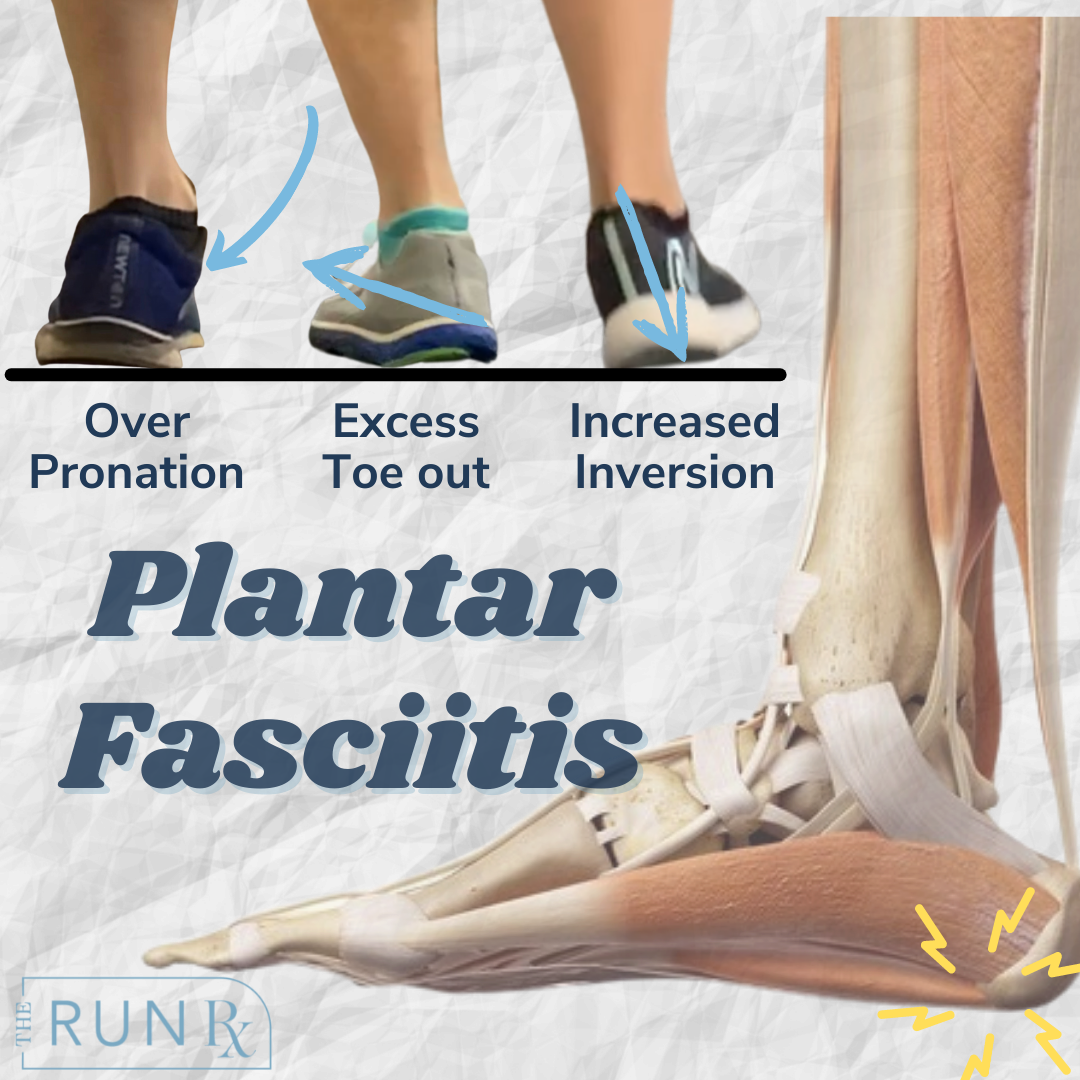
One of runners biggest dreads👀. A plantar fasciitis diagnosis is often slapped upon any pain occurring in the arch of the foot and there's a painful amount of "5 steps to fix your plantar fasciitis" posts out there (🚨spoiler alert: it's not that simple and not that generic)
Should you run through pain and is ice on the outs? We’re talking through your burning questions on running injury management.
While the glute max may be the workhorse, the glute med is what allows it to create force by creating a stable foundation. It's the unsung hero of the hips.

Running injuries and pain aren’t simple. How pain is dependent on the damage to your body but also the psychological and social contributors
How your body needs control or “software” and capacity or “hardware” so support healthy running. The differences and how to apply them
Running-related injuries are complex and often a result of many factors. The biggest causes relate to running form, impacts and durability.
How strengthening your feet as a runner can reduce your risk of injuries and exercises from a running physical therapist
Women are far more likely to get injured and drop out of running than men. The mechanical, nutritional, biological and life reason why and how to incorporate strength nutrition and good movement for all female runners including pregnant and postpartum runners.
One of runners biggest dreads👀. A plantar fasciitis diagnosis is often slapped upon any pain occurring in the arch of the foot and there's a painful amount of "5 steps to fix your plantar fasciitis" posts out there (🚨spoiler alert: it's not that simple and not that generic)