

Longevity Training in Boston: How to Build Strength, Capacity, and Resilience for the Long Game

For years, The Run Rx has helped runners in Somerville, Cambridge, and Greater Boston return from injury, build strength, and stay in the sport longer. But underneath all of that work was something bigger: We were training longevity.
Longevity in sport.
Longevity in movement.
Longevity in the body.
Now, we’re expanding that philosophy beyond runners — toward anyone in the Boston area who wants to move well, feel strong, and stay active for decades to come.
What Is Longevity Training?
Longevity training is not anti-aging. It’s not supplements. And it’s not random “wellness.”
Longevity training means intentionally building and preserving:
Strength
Power
Aerobic capacity (VO₂max)
Mobility that transfers to real life
Recovery capacity
In simple terms:
Longevity training is about maintaining capacity — the ability to do the things you love without constantly managing pain, fatigue, or setbacks.
Why Longevity Training Matters in Your 30s, 40s, 50s and Beyond
Most people don’t suddenly lose function. They slowly lose:
Muscle mass
Power
Elasticity
Cardiovascular fitness
Recovery bandwidth
The earlier you begin training intentionally, the longer you maintain:
Strong bones
Healthy joints
Metabolic health
Athletic ability
Independence
This applies whether you’re:
A HYROX athlete in Boston training for your next competition
A golfer trying to maintain rotational power
A parent who wants to keep up with your kids
A weekend warrior who loves skiing, hiking, or pickleball
A retiree prioritizing active travel
Longevity isn’t passive. It’s trained.
What Metrics Correlate with Longevity?
At Run Rx in Somerville, we don’t approach longevity vaguely. We measure it.
Here are the performance markers most associated with healthspan and long-term resilience:
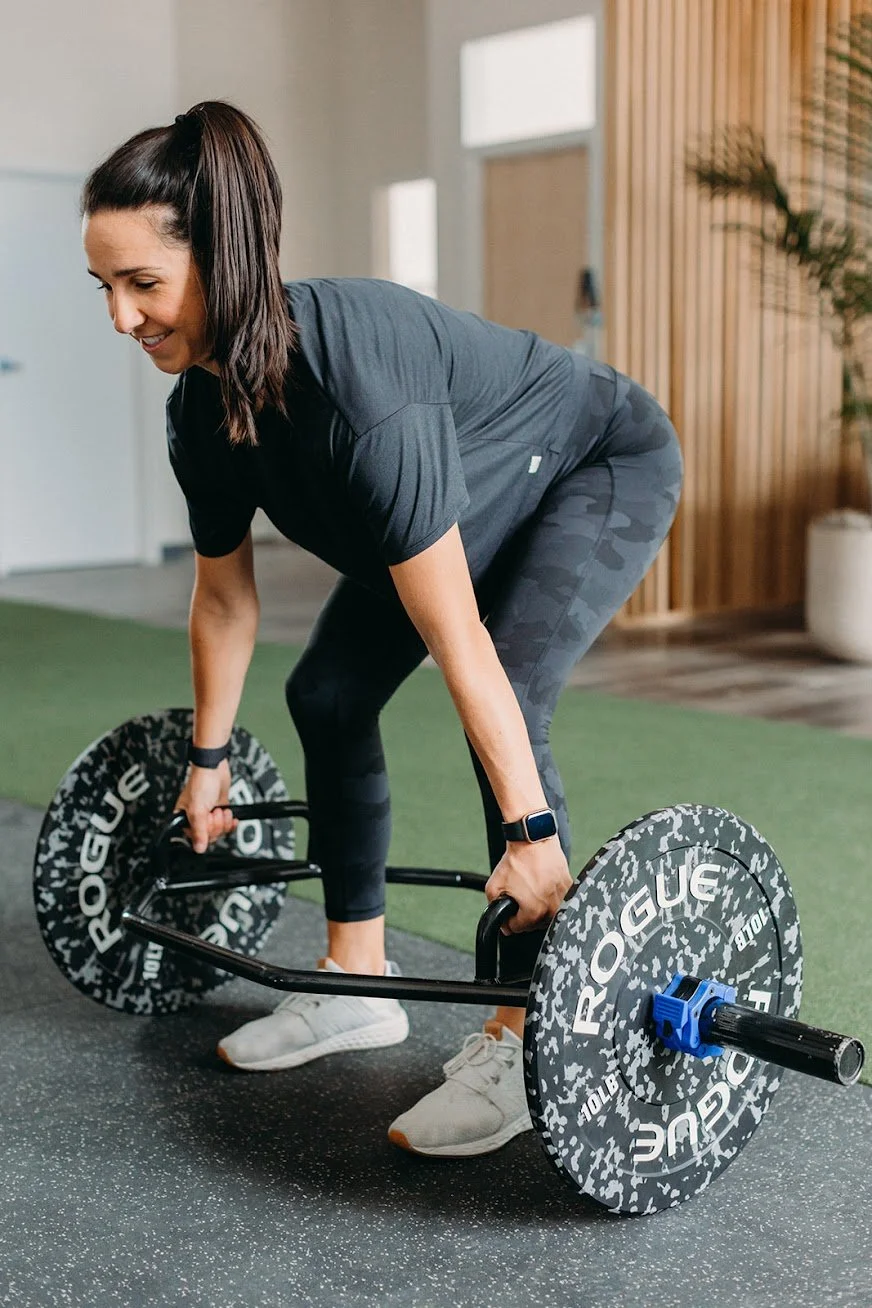
Strength (Especially Relative Strength)
Muscle mass and strength are strongly correlated with long-term health outcomes. We assess:
Compound lift capacity relative to bodyweight
Single-leg strength symmetry
Calf strength endurance
Core strength
Grip strength (a well-researched longevity marker)
Why it matters:
Strength protects bone density, supports joint health, and reduces injury risk.
2. Power and Reactivity
Power is one of the first physical qualities to decline — and one of the most protective.
We evaluate how quickly and effectively you are able to utilize stored energy in your muscles and tendons by quantifying:
Reactive Strength Index: A measure of how rapidly one can absorb and re-produce force
Countermovement Utilization Ratio: A measure of 1) how effectively one uses stored elastic energy and 2) how quickly the nervous system communicates with working muscles
For Boston athletes — from runners to pickleball players — the ability to create, absorb, and redirect force is critical. It protects you during:
Unexpected landings
Quick changes of direction
Falls
High-demand sport moments
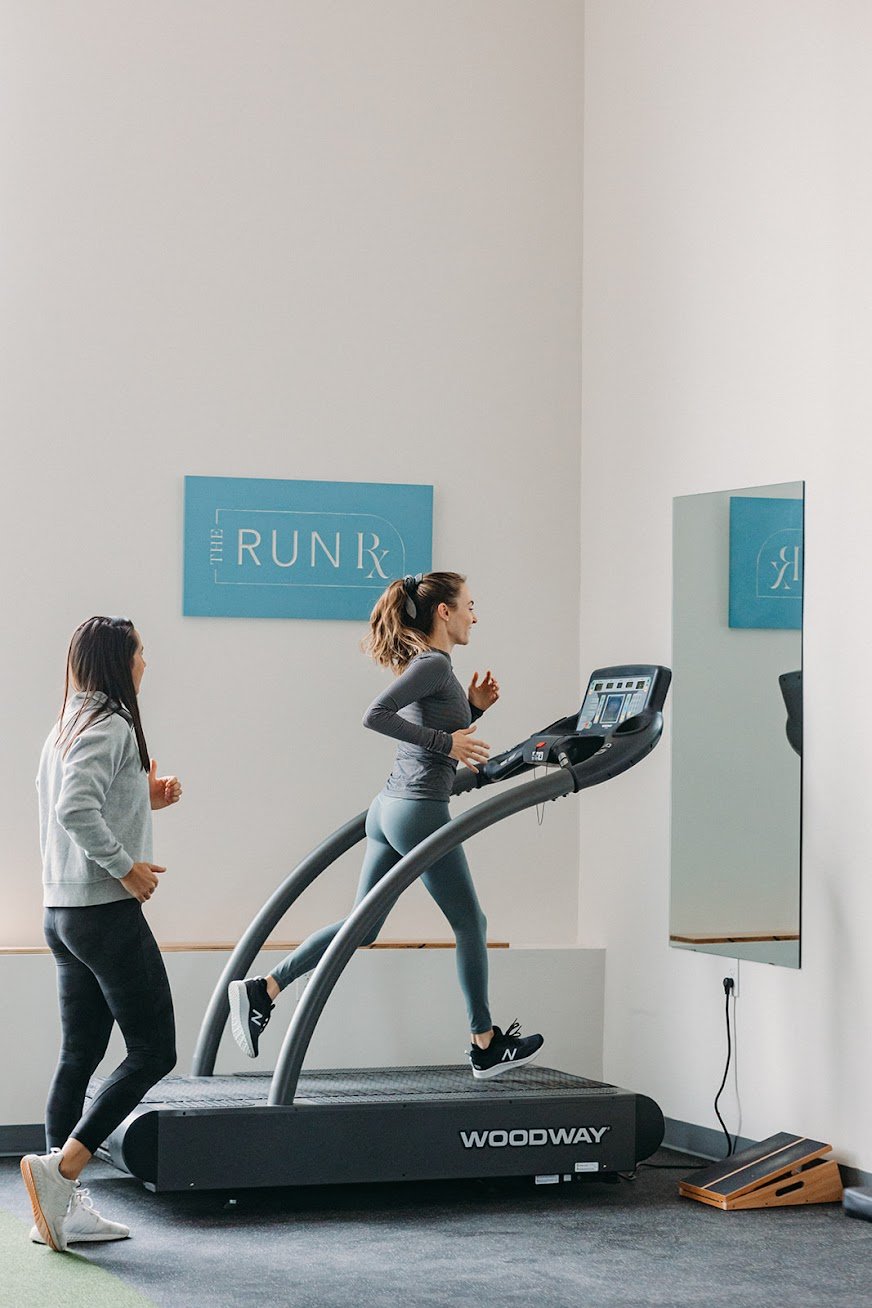
3. Aerobic Capacity (VO₂max and Work Capacity)
Cardiorespiratory fitness is one of the strongest predictors of healthspan.
Higher VO₂max levels are associated with:
Lower all-cause mortality
Greater functional independence
Better recovery from illness or stress
We help clients improve:
Work capacity
Interval tolerance
Running economy
Conditioning benchmarks
Longevity requires both strength and engine
4. Balance
Balance isn’t about standing on one foot for fun. It’s about maintaining control of your body as you move through the world — now and decades from now.
We assess:
Single leg standing to determine overall balance and stability
Balance with eyes closed or on foam to determine vestibular and proprioceptive input
Maintaining balance capacity is one of the most powerful ways to extend functional years, reduce fall-related injury, and support long-term health and survival as we age.
5. Recovery Capacity
You cannot out-train poor recovery.
Longevity requires adaptation — and adaptation requires recovery.
We discuss:
Sleep quality
Stress load
Training distribution
Recovery habits
Nervous system regulation
For many busy professionals and parents in Greater Boston, recovery is the missing link.
What Makes The Run Rx Different?
Many gyms in Boston offer strength training. What makes Run Rx different is clinical integration.
Our team includes:
Doctors of Physical Therapy
Board-certified orthopedic specialists
Certified strength and conditioning coaches
We blend:
Performance testing
Strength training
Injury prevention
Conditioning
Recovery guidance
We don’t just coach workouts. We measure, reassess, and progress intentionally.
Who Is Longevity Training For?
Longevity training at Run Rx is for:
Runners who want to stay in the sport long-term
HYROX and CrossFit-style athletes in Boston
Golfers seeking more rotational power
Pickleball players wanting joint resilience
Parents rebuilding strength after years of putting themselves last
Retirees who want to stay active and capable
You don’t need to be injured. You don’t need to be “aging.” You just need to care about how you move — and how long you’ll be able to keep moving that way.
Where to Find Longevity-Focused Strength Training in Boston
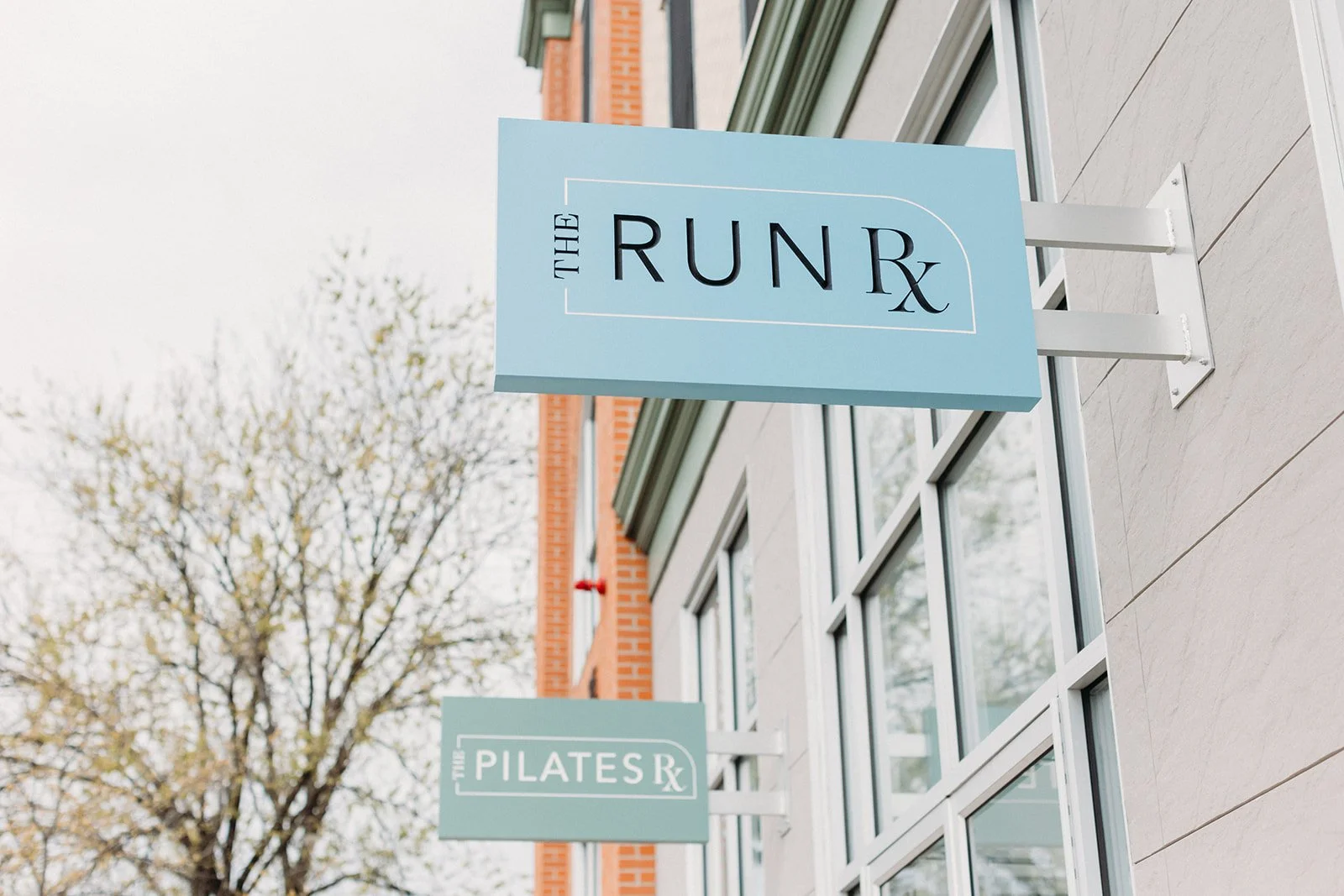
Run Rx is located in Somerville, MA, serving clients from:
Cambridge
Boston
Medford
Arlington
Charlestown
Greater Boston
If you’re searching for:
Longevity training in Boston
Strength training for longevity near me
VO₂max testing in Somerville
Performance physical therapy in Cambridge
Injury prevention training in Boston
We’re building this next chapter intentionally.
The Future of Run Rx
For years, we’ve helped runners stay healthy and perform at their best.
Now, we’re expanding that same performance-driven philosophy toward measurable longevity.
Because staying capable isn’t accidental. It’s built.
If you’re ready to train for the long game, we’re here.

Somerville, MA