

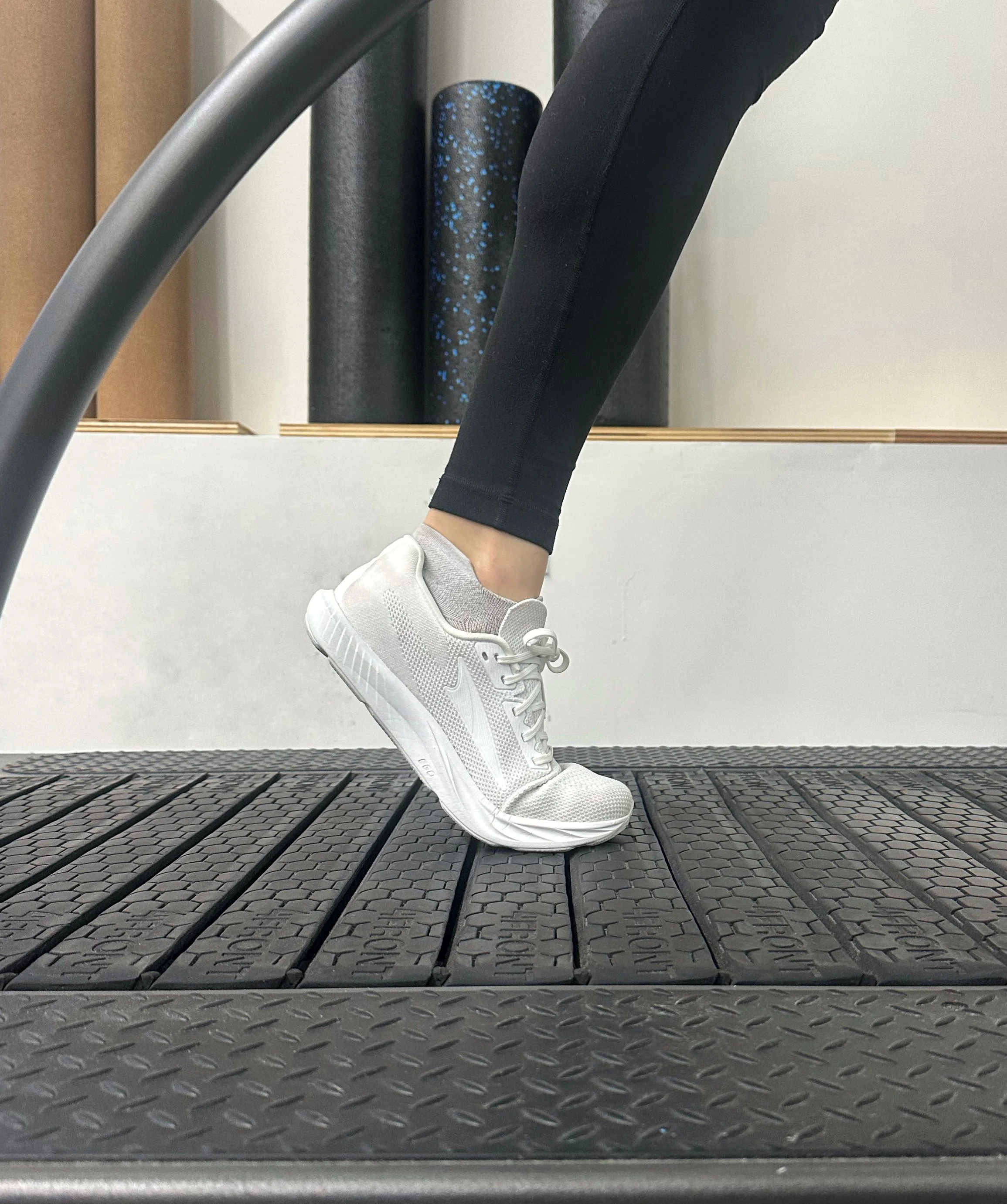
When runners think about improving performance or preventing injury, they usually focus on cadence, stride length, or shoe choice.
But one of the most important — and most overlooked — contributors to efficient running is your big toe.
As a runner-focused physical therapy and performance clinic serving Boston and Somerville, we see this every day. Big toe stiffness, bunion pain, and inefficient push-off are common threads in runners dealing with recurring foot, ankle, knee, and even hip issues.
How your big toe moves, how strong it is, and how well it works with the rest of your foot directly impacts:
Propulsion
Arch stability
Shock absorption
Injury risk
Let’s break down why the big toe is such a powerhouse in running mechanics — and why ignoring it can quietly derail your progress.
Your Big Toe Sets Up Stability for Your Entire Foot
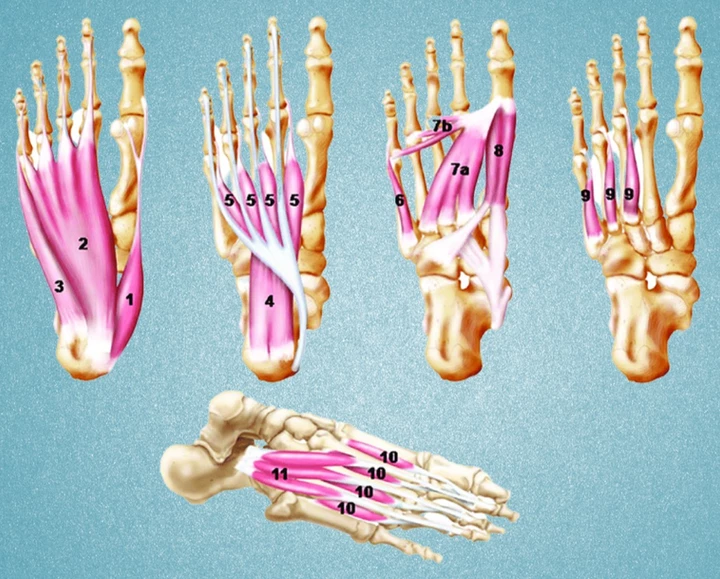
Intrinsic muscles of the foot
The big toe doesn’t work in isolation. It functions as part of an integrated system that includes:
Intrinsic foot muscles (the small stabilizers inside the foot)
The plantar fascia
The calf complex (triceps surae)
Key extrinsic muscles, including:
Tibialis posterior
Flexor hallucis longus (FHL)
Flexor digitorum longus (FDL)
Together, these structures create the windlass mechanism — a system that tightens the plantar fascia when the big toe extends during push-off.
What Is the Windlass Mechanism — and Why Does It Matter for Running?
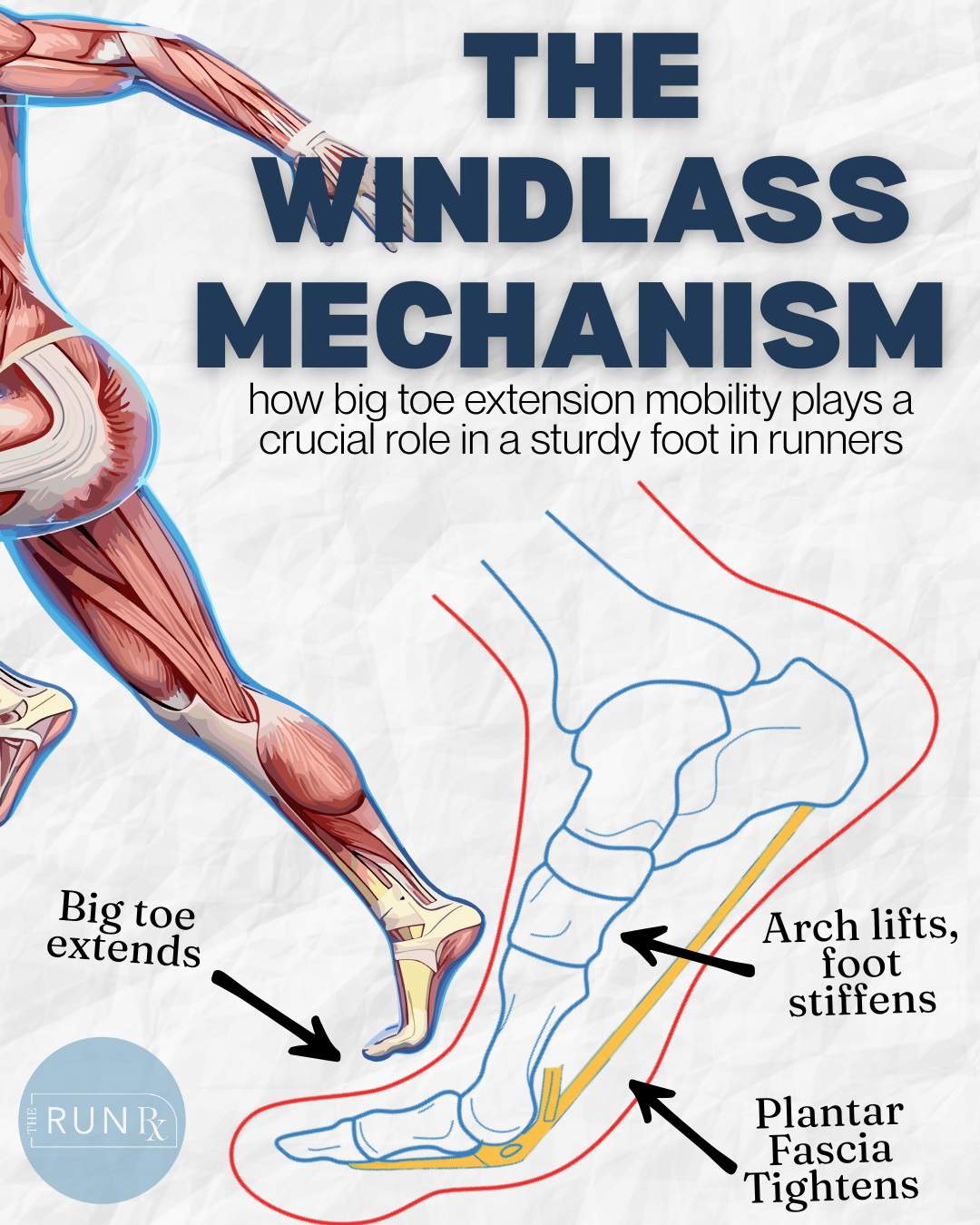
The windlass mechanism is how your foot becomes stable and powerful during push-off. When your big toe extends upward, it tightens the plantar fascia — the thick band of tissue on the bottom of your foot. As that tissue tightens, it lifts and stiffens the arch, turning your foot from a flexible shock absorber into a rigid lever.
In running, this matters because a stiff, well-supported foot:
Transfers force more efficiently during push-off
Reduces excess collapse through the arch
Improves propulsion while lowering stress on the ankle, knee, and hip
If big toe motion is limited or the foot is weak, the windlass mechanism can’t do its job — and other tissues are forced to compensate. Over time, that can reduce efficiency and increase injury risk. We frequently see this in runners coming into our Somerville clinic with foot pain, plantar fascia irritation, or inefficient gait patterns that have been missed elsewhere.
The Big Toe Plays a Key Role in Propulsion
During late stance and toe-off, your big toe acts like a rigid lever, helping you push efficiently off the ground.
Research shows:
Forefoot strikers experience greater big toe extension and upward glide compared to rearfoot strikers
Increased big toe motion during push-off can improve propulsive force
In simple terms: If your big toe can’t extend or load well, you’re leaving power on the table.
For runners training for Boston-area races — from local road races to the Boston Marathon — small inefficiencies like this add up quickly over high mileage athletes.
Poor Big Toe Mechanics Can Increase Bunion Risk
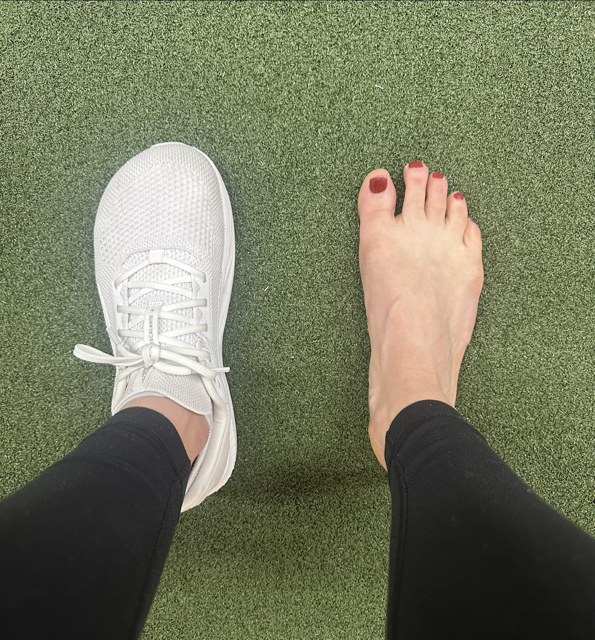
Shoes — especially narrow ones — place geometric constraints on the big toe, pushing it inward toward the second toe. Over time, this increases stress on the medial side of the first metatarsophalangeal (MTP) joint.
Research shows:
Increased stress leads to structural changes in the joint capsule
These stresses correlate with larger first MTP joint angles
Forefoot striking increases valgus (inward) motion at the big toe
This doesn’t mean forefoot striking is “bad,” but it does mean big toe strength, mobility, and footwear choices matter — especially for runners prone to bunions or hallux valgus.
In our experience working with runners throughout Boston, Somerville, and Cambridge, bunion pain is rarely just a foot problem. It’s often a loading and mechanics problem that needs a full-body lens.
Your Foot Muscles Fatigue During Long Runs — More Than You Think
Long-distance running significantly fatigues the intrinsic foot muscles.
Studies have found:
The medial arch drops ~5 mm after a half marathon
A similar drop occurs after a full marathon and can persist for up to 8 days
Plantar fascia stiffness decreases following long-distance efforts
What this tells us:
Your feet get tired
Recovery takes longer than most runners realize
Fatigued foot muscles reduce big toe function and arch support
As fatigue accumulates, injury risk increases — particularly without intentional recovery and strength work. This is something we commonly address when working with marathon and half-marathon runners in the Greater Boston area.
Strengthening Your Foot Muscles Actually Works
Here’s the good news: foot strength is trainable.
Research consistently shows:
Intrinsic foot strengthening reduces arch collapse
Balance and foot alignment improve
Runners demonstrate better functional movement patterns
Importantly, research also shows:
Barefoot running alone does not reliably strengthen the foot.
Strength gains require targeted, progressive exercises — not just exposure.
What Runners in Boston and Somerville Should Do About It
If you want better propulsion, better arch support, and fewer foot-related injuries, you need to intentionally train the structures that support the big toe.
Focus on Three Key Areas:
✔️ Intrinsic Foot Strength
Short foot exercises
Toe yoga
Towel scrunches (done correctly)
Toe spreading and control work
✔️ Big Toe Mobility
Passive big toe extension work
Controlled first MTP joint movement
Soft tissue work for the FHL and plantar fascia
✔️ Smarter Shoe Choices
Wider toe boxes
Flexible uppers
Shoes that allow natural toe splay
For runners in Boston and Somerville dealing with persistent foot pain, bunion symptoms, or inefficient push-off, a detailed gait analysis can help determine whether big toe mechanics are part of the issue — and what to do about it.
The Bottom Line
Your big toe is more than just a toe — it’s a keystone of your entire running gait.
It helps:
Stabilize your arch
Absorb load
Maintain balance
Transfer force
Propel you forward efficiently
When the big toe is strong and mobile, running feels smoother, more powerful, and more resilient.
When it’s weak or restricted, compensations creep in — and injuries often follow.
If you want to run better, start with your big toe.
Frequently Asked Questions About Big Toe Mechanics and Running
Does big toe mobility affect running?
Yes. Limited big toe extension can reduce propulsion, disrupt arch stability, and increase stress on the foot, ankle, and knee during running.
Can weak big toe muscles cause running injuries?
Weak intrinsic foot muscles and poor big toe control can contribute to arch collapse, overuse injuries, and inefficient running mechanics.
Do bunions affect running performance?
Bunions can limit big toe extension and load tolerance, which may reduce push-off efficiency and increase compensatory stress elsewhere.
Is barefoot running enough to strengthen the foot?
No. Research shows barefoot running alone does not reliably strengthen intrinsic foot muscles. Targeted strengthening is necessary.
How The Run Rx Helps Runners Build Strong, Resilient Feet
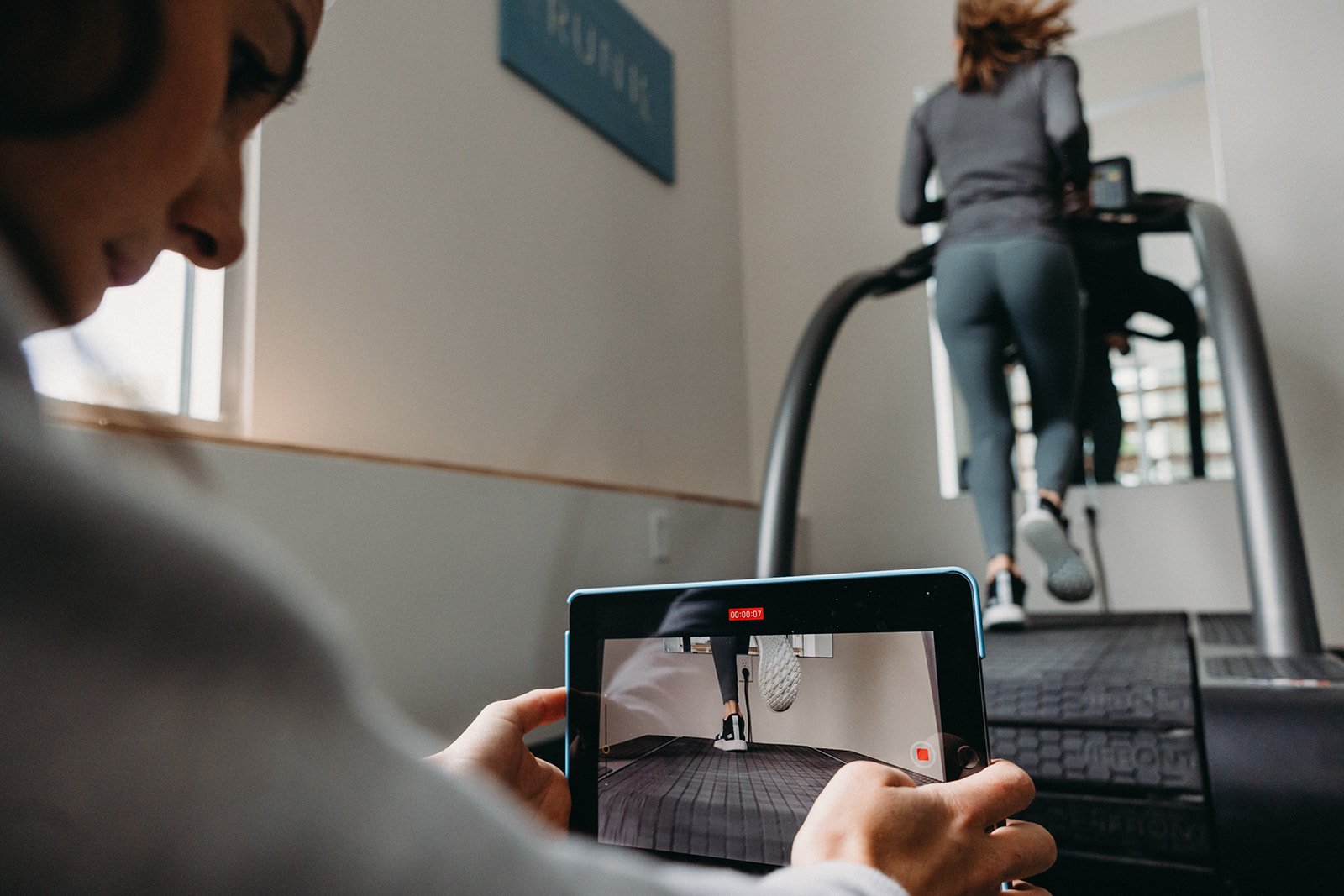
At The Run Rx, we help runners in Boston and Somerville restore big toe mobility, foot strength, and efficient push-off so small problems don’t turn into chronic injuries or surgical conversations. Our 1-on-1, runner-focused physical therapy and advanced gait analysis identify how your foot is loading, where your mechanics are breaking down, and what actually needs to change — not guesswork or generic exercises.
You can expect:
A clear understanding of why your foot or big toe hurts and how it connects to your running mechanics
Targeted strength and mobility work that improves propulsion, arch support, and shock absorption
Practical strategies to stay strong, efficient, and injury-resilient through training cycles and beyond
Whether you’re training for a Boston-area race or just want to run comfortably again, our goal is simple: help you move better, reduce injury risk, and keep you running for the long haul.
References
Jastifer JR. The Foot and Ankle in Long-Distance Running. Foot & Ankle Orthopaedics. 2022.
Wu K et al. Effects of Different Foot Strike Patterns on First MTP Joint Kinematics. Front Bioeng Biotechnol. 2023.
Yu G et al. The Role of Footwear in the Pathogenesis of Hallux Valgus. Front Bioeng Biotechnol. 2020.

Somerville, MA
